

Keeping floors clean is an important part of maintaining a comfortable and hygienic home or workplace. However, different floor types require different cleaning methods, and choosing the wrong vacuum cleaner can make everyday cleaning more difficult. A bagged vacuum cleaner is a practical option for collecting dust, dirt, pet hair, and other debris while keeping the collected material contained inside a replaceable bag. To achieve effective cleaning, it is important to select a model that suits your flooring, cleaning routine, and household requirements. Understanding how bagged vacuum cleaners perform on carpets, hardwood, tiles, laminate, and other surfaces can help you make an informed decision.
Understanding How Bagged Vacuum Cleaners Work
A bagged vacuum cleaner uses suction to draw dirt and debris into a disposable or replaceable collection bag. The bag holds the collected material until it is ready to be removed and replaced. Many models also include filtration systems designed to capture fine particles before the air returns to the room. This design can make bagged vacuum cleaners suitable for homes, offices, and other spaces where regular cleaning is necessary.
One of the main advantages of a bagged vacuum cleaner is the convenient disposal process. Since dust and debris remain inside the bag, users can often remove the full bag without directly handling the collected dirt. This can be particularly useful for households with pets or people who prefer to minimise contact with dust. However, performance depends on the quality of the filtration system, the condition of the bag, the suction power, and the cleaning head. Selecting a model with appropriate features for your floor type helps ensure efficient results. Vac City’s range of bagged vacuum cleaners for everyday use offers practical cleaning solutions with reliable suction, effective dust collection, and convenient maintenance for different household needs.
Choosing a Bagged Vacuum Cleaner for Carpets
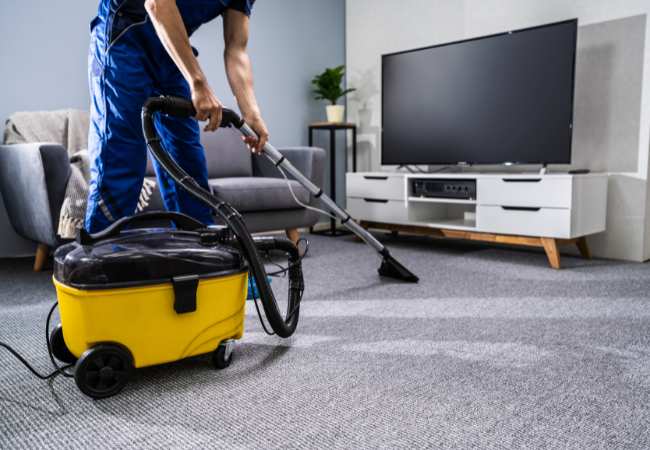
Carpets can trap dust, crumbs, pet hair, and other particles between their fibres. For this reason, choosing a vacuum cleaner with suitable suction power and an effective carpet-cleaning head is important. A model with an adjustable brush roll can help loosen debris embedded in carpet fibres, allowing the vacuum to collect it more effectively. For thick carpets, adjustable height settings can also help the cleaner move smoothly across the surface without requiring excessive effort.
The type of carpet should influence your choice. Low-pile carpets are generally easier to clean with standard floor heads, while thick or high-pile carpets may require a model designed to maintain effective airflow through deeper fibres. If your home contains several carpeted rooms, consider a bagged vacuum cleaner with variable suction settings and a practical floor-head design. These features can make regular cleaning easier while helping protect delicate carpet fibres from unnecessary wear.
Selecting the Right Cleaner for Hardwood Floors
Hardwood floors require careful cleaning because abrasive dirt and unsuitable brush attachments can leave scratches on the surface. When choosing a bagged vacuum cleaner for hardwood, look for a soft-bristled floor head or a dedicated hard-floor attachment. These accessories can help collect dust, fine particles, and small debris without dragging a stiff brush across the floor. Rubberised wheels and a lightweight body may also help reduce the risk of accidental marks while making the cleaner easier to move between rooms.
Suction control is another useful feature for hard surfaces. Strong suction can collect loose dirt effectively, but a suitable floor head is equally important for preventing debris from scattering. Regular vacuuming can help remove grit that might otherwise scratch the floor when people walk across it. Always check the manufacturer’s care recommendations for your specific hardwood finish, especially if the flooring is older, delicate, or treated with a particular coating.
Finding a Suitable Vacuum Cleaner for Tile Floors
Tile flooring is commonly found in kitchens, bathrooms, hallways, and commercial spaces because it is durable and relatively easy to maintain. However, dirt can accumulate along grout lines, around corners, and near furniture. A bagged vacuum cleaner with strong airflow and suitable edge-cleaning capabilities can help remove loose debris before it becomes difficult to clean. A hard-floor attachment with soft bristles or a smooth cleaning surface is often a practical choice for collecting dust and crumbs from tiles.
If your flooring has deep grout lines or textured tiles, consider a model that includes a crevice tool and other useful attachments. These accessories can help reach narrow spaces where dirt tends to collect. Vacuuming should generally take place before mopping because loose dust and grit can spread across the surface when mixed with water. For areas exposed to frequent spills, remember that a standard dry vacuum cleaner is not designed to collect liquids unless the manufacturer specifically states otherwise.
Choosing a Vacuum Cleaner for Laminate Flooring
Laminate floors offer the appearance of timber while providing a surface that is relatively easy to maintain. However, excessive moisture and abrasive cleaning tools can damage some laminate products. A bagged vacuum cleaner designed for hard floors can help remove dust, hair, and loose dirt without introducing moisture into the cleaning process. Look for a model with a soft floor head, smooth wheels, and adjustable suction so you can clean comfortably without putting unnecessary pressure on the surface.
It is also useful to choose a vacuum cleaner that can reach beneath furniture and into narrow spaces. Dust often gathers along skirting boards, under beds, and around table legs, making flexible hoses and extension tools valuable additions. Before purchasing a vacuum cleaner, check whether its floor head is recommended for laminate flooring. Following the flooring manufacturer’s maintenance instructions will help preserve the surface and reduce the likelihood of avoidable damage.
Important Features to Consider Before Buying
Beyond floor compatibility, several practical features can influence the overall cleaning experience. Suction control allows users to adjust the airflow for different surfaces, while a range of attachments makes it easier to clean upholstery, stairs, corners, and other hard-to-reach areas. A long power cord can be useful in larger rooms because it reduces the need to change electrical outlets frequently. For multi-storey homes, a lightweight design and a comfortable carrying handle can make moving the vacuum cleaner between floors more manageable.
Filtration and bag availability are also important considerations. If dust control is a priority, look for a model with a well-designed filtration system and check whether replacement bags are easy to obtain. Compare the capacity of the bag, its cost, and how frequently it may need to be changed based on your cleaning habits. A larger bag may be useful in busy households or workplaces, while a compact model may suit smaller homes with limited storage space.
Maintaining Your Bagged Vacuum Cleaner
Regular maintenance helps a bagged vacuum cleaner deliver consistent performance over time. Replace the bag when it reaches the manufacturer’s recommended fill level rather than allowing it to become excessively full. An overfilled bag can restrict airflow and reduce suction, making cleaning less effective. Inspect the filters according to the manufacturer’s schedule, and clean or replace them as directed. It is also helpful to remove tangled hair and debris from the floor head and check the hose for blockages when suction appears weaker than usual.
Using the correct replacement bags is equally important because poorly fitting bags may allow dust to escape or interfere with airflow. Store the vacuum cleaner in a dry location and inspect its power cord and attachments periodically. These simple maintenance practices can help extend the cleaner’s useful life and maintain its performance across different floor types.
Conclusion
Choosing the right bagged vacuum cleaner for different floor types involves considering the surfaces you clean, the attachments available, suction control, filtration, and maintenance requirements. Carpets often benefit from an effective brush head, while hardwood, tile, and laminate floors generally require suitable hard-floor attachments that collect debris without damaging the surface. By comparing these features and following the manufacturer’s cleaning recommendations, you can select a bagged vacuum cleaner that supports an efficient and reliable cleaning routine at home or in the workplace.
About The Author


Leave a Reply